What the research shows
- BPC-157: 11 of 12 reported knee pain improvement
- TB-500: studied for wound repair in aged mice
- BPC-157: studied for stomach ulcer healing
Published study results for the compound, not results from this product. For research use only.
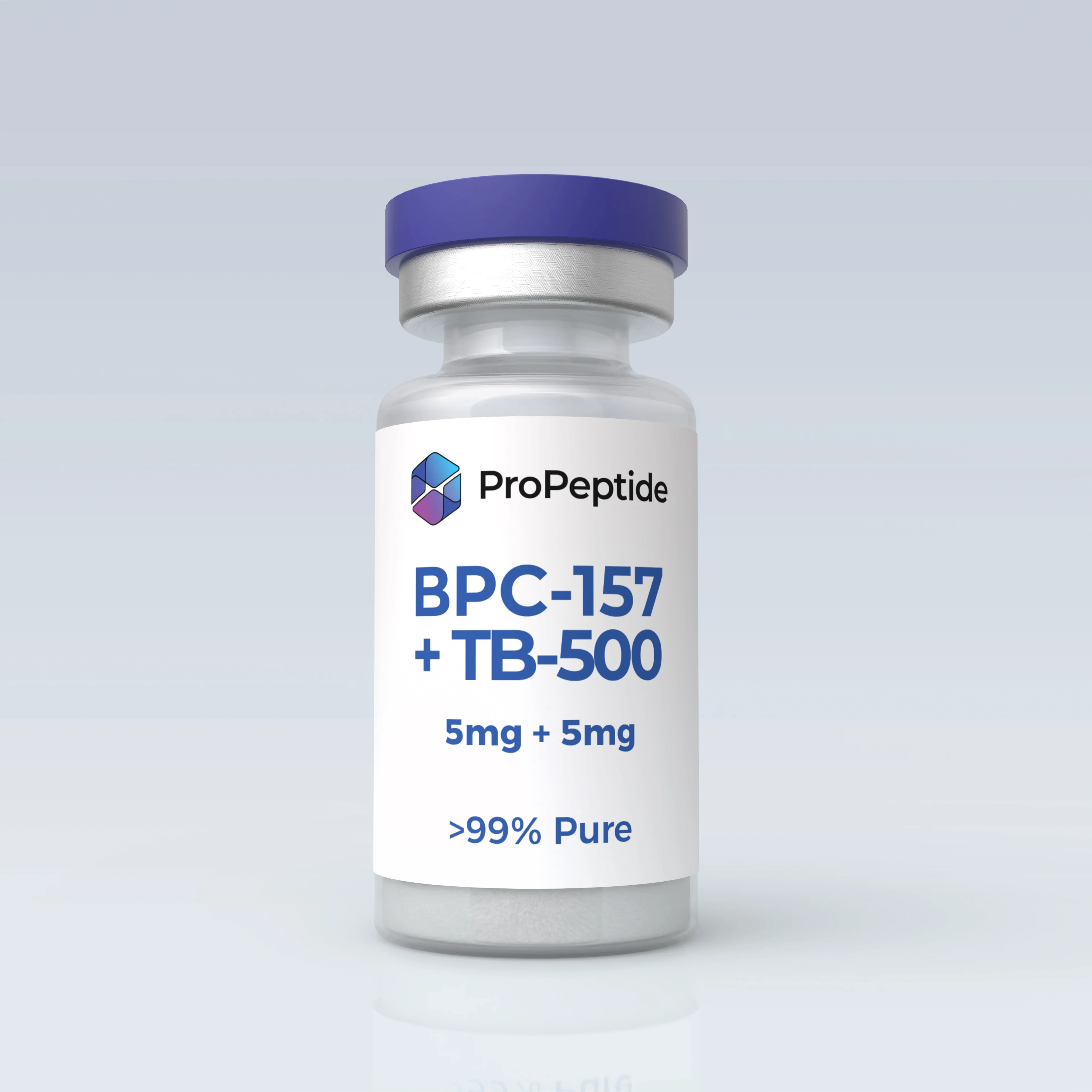
One freeze-dried vial holding 5mg BPC-157 and 5mg TB-500 (10mg total) at a fixed 1:1 mass ratio, made to a ≥99% HPLC line standard and supplied by Remy Research in Dubai for laboratory work. For research use only. Not for human or veterinary use.
- ≥99% Purity
- ProPeptide Brand Standard
- Same-Day Delivery
- Dubai
- Lyophilized Vial
- Research Format
- Storage Guidance
- Follow Package Label
- 1x ProPeptide research vial (lyophilized powder)
- Cold-chain insulated packaging
ProPeptide Lyophilized Vial Research Format
SpecsBPC-157 + TB-500 Blend Vial
Studied for tendon repair as a combination
AED 400 / vial
Choose your bundle
Minimum order is AED 400
25% off orders of AED 700+ with code KV25 at checkout
Order before 4 PM for same-day Dubai delivery.
UAE delivery: AED 50 below AED 1,000; free from AED 1,000
Specified ≥99% ProPeptide Brand Standard
- Sold by
- Remy Research
- Brand
- ProPeptide
- Manufacturer
- ProPeptide
- Tested by
- Line standard — no independent report
Ships from Dubai
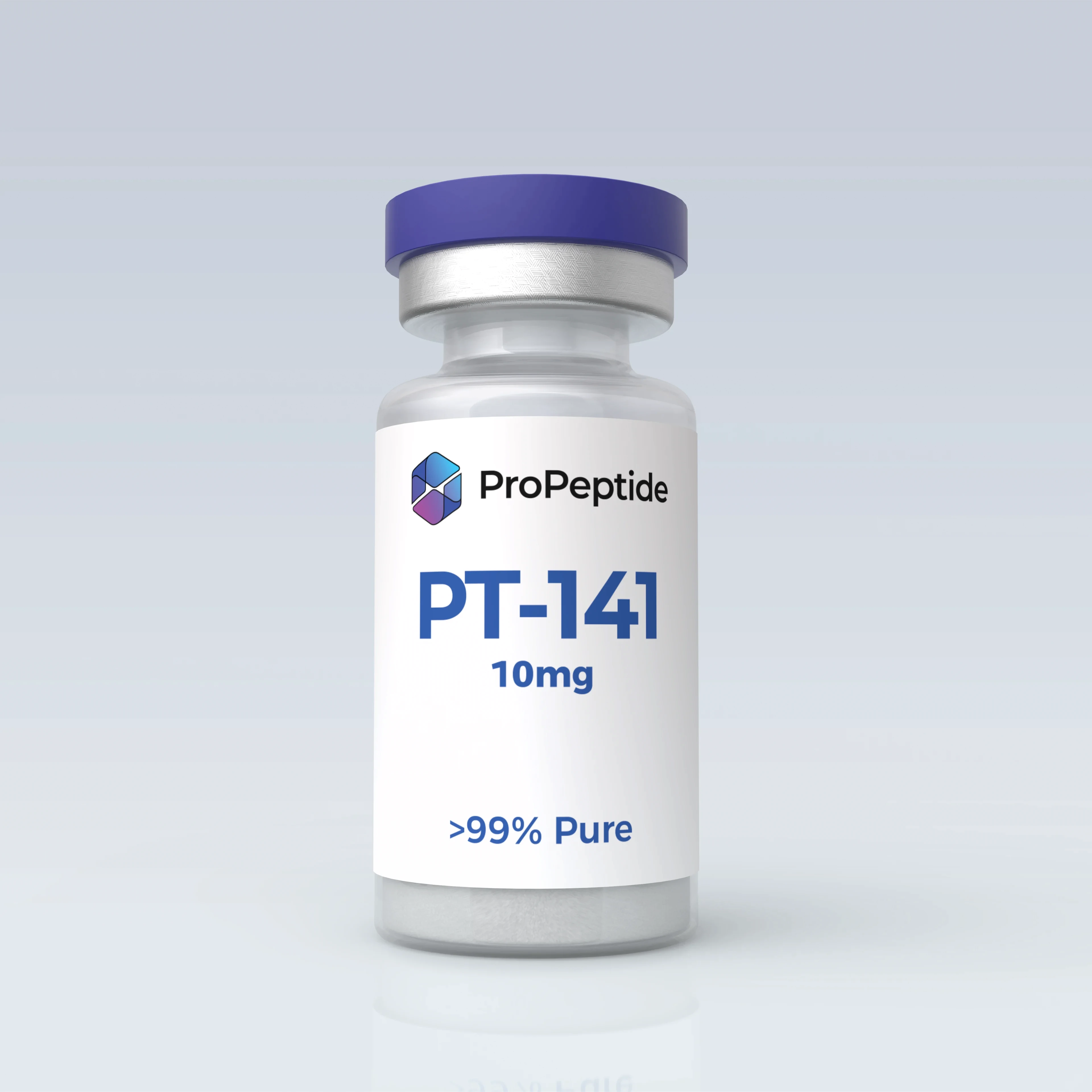
Two research peptides co-lyophilised in a single vial
This ProPeptide vial contains two separate peptides that were freeze-dried together: 5mg of BPC-157 and 5mg of TB-500, giving 10mg of total peptide. Because they share one vial, the ratio between them is fixed at 1:1 by mass and cannot be changed after the fact.
BPC-157 is a synthetic 15-amino-acid peptide based on a fragment of a protein first described in human gastric juice. Its literature is almost entirely rodent and cell work on tendon, ligament, gut-lining and blood-vessel injury models.
TB-500 is the trade name for a short synthetic fragment related to thymosin beta-4 (Tβ4), a 43-amino-acid protein that controls how much actin is available inside cells. It is not the full-length protein. That distinction matters: the human trials on record, such as the RGN-259 eye-drop programme, used full-length Tβ4, so those results do not describe the fragment in this vial.
The two compounds are paired because they are thought to act on different biology, not because anyone has shown the pair works better together. As far as our editorial team could find, no controlled study of this blend, in animals or people, has been published. The evidence summarised on this page comes from studies of each peptide on its own.
Remy Research supplies the vial strictly as laboratory material. For research use only. Not for human or veterinary use.
What this listing gives a lab, and what is still pending
A fixed-ratio vial suits work that needs both compounds present in the same proportion every time. Here is what comes with it.
Freeze-dried and sealed
The powder sits in a crimp-sealed glass vial. Lyophilised peptide keeps far better in storage than peptide in solution, which is why it remains the standard format for research material.
A purity standard, with an honest gap
The ProPeptide blend is made to a ≥99% HPLC line standard. An independent batch report for this specific vial has not been published yet. Every report that has been published is in our lab results library, so you can see which products are covered.
What a blend certificate should show
Checking a two-peptide vial is harder than checking a single compound. A useful certificate confirms each peptide's identity by mass spectrometry as two distinct species, gives an HPLC trace that resolves both, and confirms the 5mg + 5mg fill against a batch number. Our blend sourcing guide explains each check.
Cold-chain delivery
Orders travel in packaging that holds the vial between 2 and 8°C, which protects it through the last stretch of a hot UAE delivery. Dubai orders placed before 4 PM arrive the same day. Terms for every emirate are on the delivery page.
Single-compound options
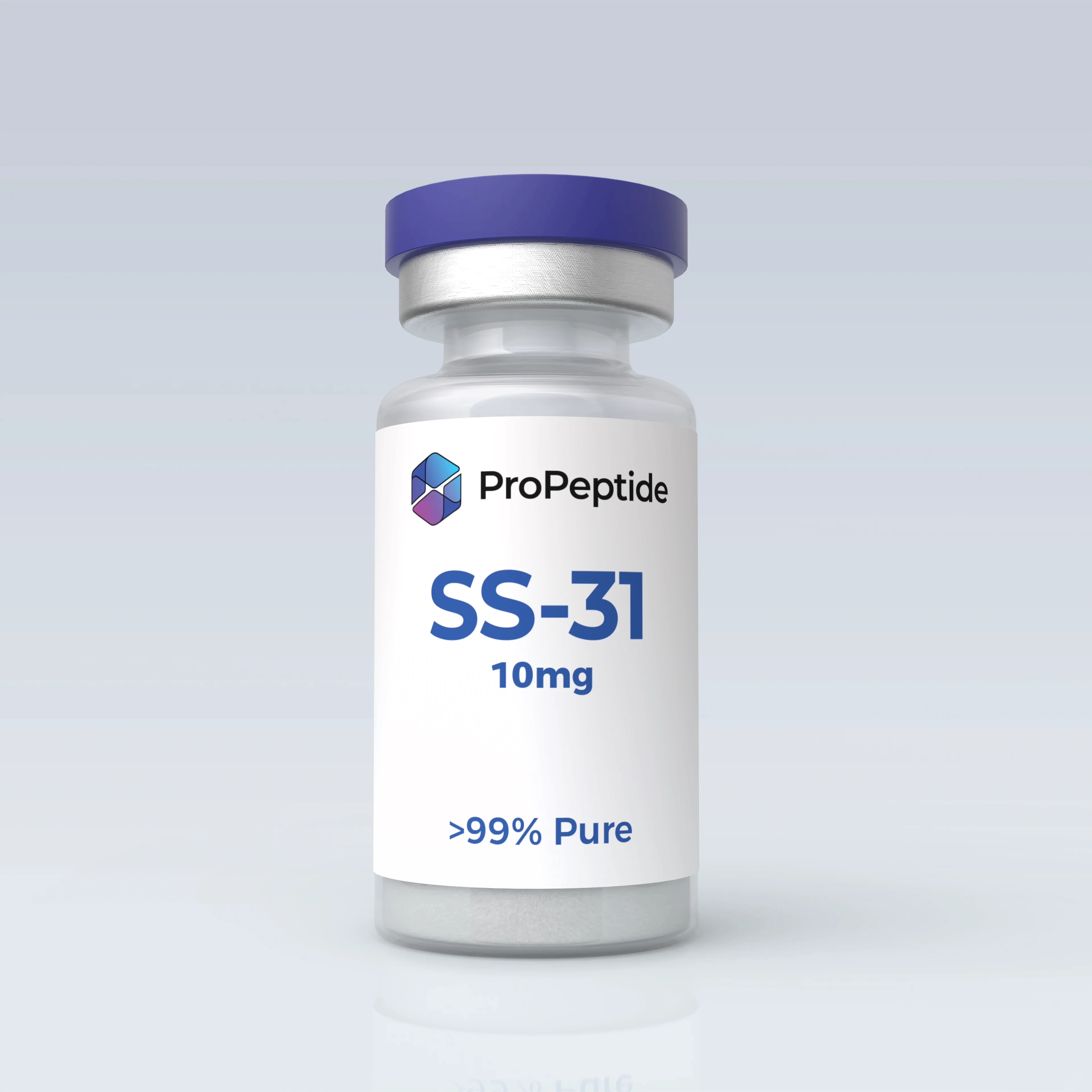
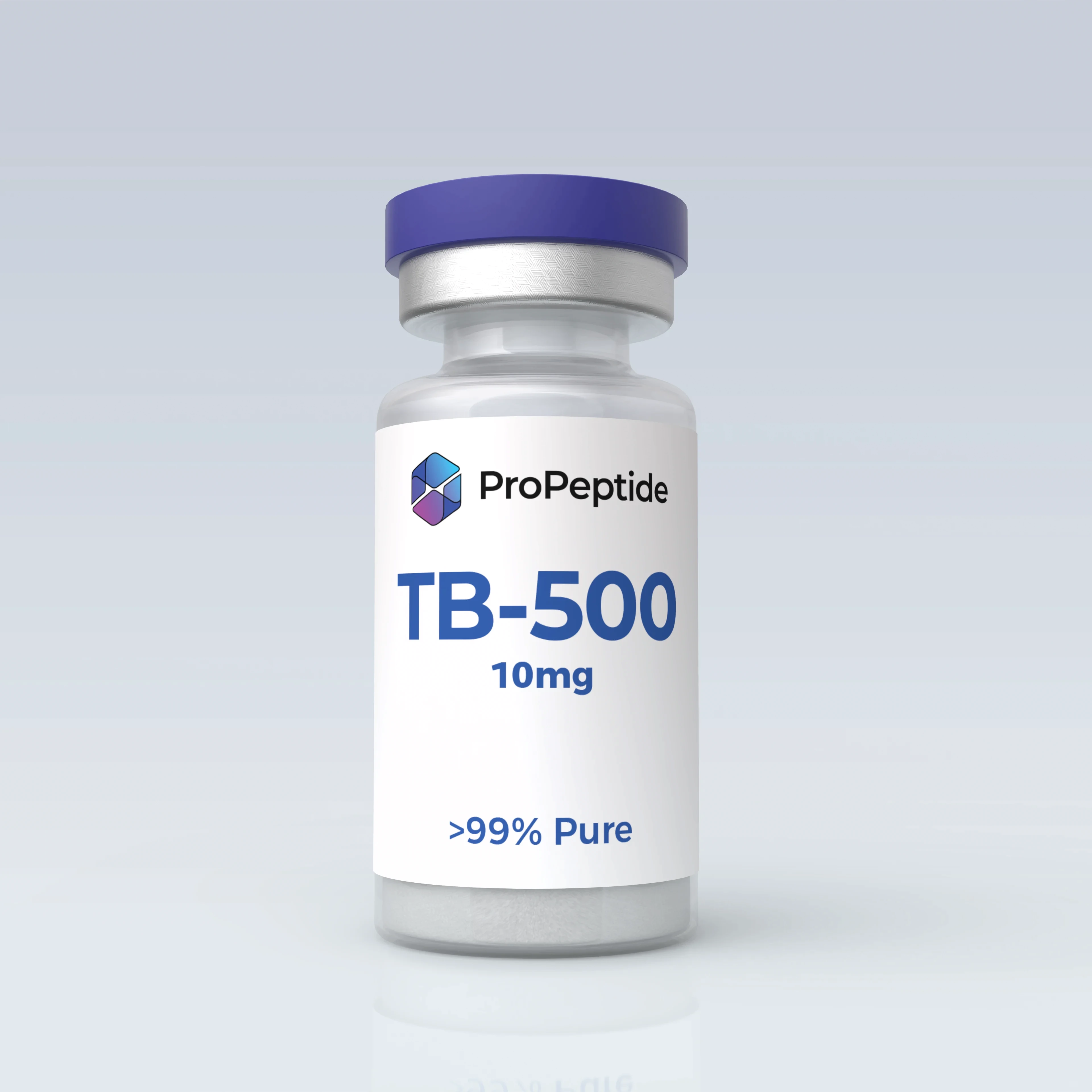
If your design needs a different ratio, or each peptide in its own arm, the BPC-157 10mg vial and the TB-500 10mg vial are listed separately.
Technical Specifications
| Manufacturer | ProPeptide |
|---|---|
| Compounds | BPC-157 (5mg) + TB-500 / Tβ4 fragment (5mg) |
| CAS Numbers | BPC-157: 137525-51-0 · TB-500: 885340-08-9 (FDA definition; products vary, check the COA mass) |
| Quantity | 10mg total per vial |
| Format | Lyophilized blend, sealed glass vial |
| Purity | Specified ≥99% |
| Storage | +2 to +8°C lyophilized. |
Why researchers pair them: two separate lines of evidence
The case for combining these peptides rests on the idea that they touch different parts of tissue repair. Each strand below comes from work on one compound alone, mostly in rodents and cell cultures, so treat it as a hypothesis rather than a known effect.
BPC-157: vessels and growth-factor signalling
Rodent and endothelial-cell studies link BPC-157 to the nitric oxide system, to activation of the VEGFR2 receptor that drives new capillary growth, and to focal adhesion kinase and paxillin signalling in tendon cells. The recurring picture in these models is better blood supply and faster repair of connective tissue. Our BPC-157 research review covers the detail.
Thymosin beta-4: actin and cell movement
Full-length Tβ4 binds single actin molecules one-to-one and buffers the pool cells draw on to build filaments. Through that role it is linked to cell migration, the formation of new vessels, and wound closure in animal models of skin, cornea and heart injury. How much of this carries over to the short TB-500 fragment is not fully settled.
Complementary, not proven synergy
Synergy is a specific claim: the combined effect has to exceed the sum of the two single effects, and that needs combination data. No such dataset has been published for this pair, so the accurate description is complementary co-administration. Our mechanism review of the blend and the BPC-157 vs TB-500 comparison set out where each compound's evidence stops.
For research purposes only. Not for human consumption.
Frequently Asked Questions
Where can I buy the BPC-157 + TB-500 blend in Dubai?
Remy Research supplies this ProPeptide blend vial from Dubai as research-use-only material. Dubai orders placed before 4 PM are delivered the same day, and most arrive within 4 hours. For the other six emirates, orders placed by 12 PM (noon) arrive the next day, and later orders arrive within two days. Saturday orders outside Dubai arrive on Monday, and there is no Sunday delivery outside Dubai. Every shipment is cold-chain packed at 2–8°C. See the delivery page for charges.
What exactly is in the vial?
Two peptides freeze-dried together: 5mg of BPC-157 and 5mg of TB-500, a synthetic fragment related to thymosin beta-4. That is 10mg of peptide in total, at a fixed 1:1 ratio by mass.
Has this blend been studied in people?
No. We found no published controlled study of the combination in humans or animals, and no registered trial. BPC-157 has only five small human studies (two reported only as abstracts, three uncontrolled pilots), and the human trials linked to TB-500 used full-length thymosin beta-4, not the fragment. For research use only. Not for human or veterinary use.
Is TB-500 the same as thymosin beta-4?
Not quite. Thymosin beta-4 is a 43-amino-acid protein found in most mammalian cells. TB-500 is the market name for a shorter synthetic fragment related to it. Most of the published literature, including every human trial, concerns the full-length protein.
Why choose the blend over two single-compound vials?
Is there a lab report for this blend?
The blend is made to a ≥99% HPLC line standard, but a batch-specific independent report for this vial has not been published yet. Published reports are listed in our lab results library.
How should the sealed vial be stored?
Keep the unopened freeze-dried vial in a refrigerator at 2–8°C, protected from light, and avoid leaving it at room temperature.