What the research shows
- Studied for gut inflammation in mice
- Studied for skin cell protection
- Studied for antimicrobial effects
Published study results for the compound, not results from this product. For research use only.
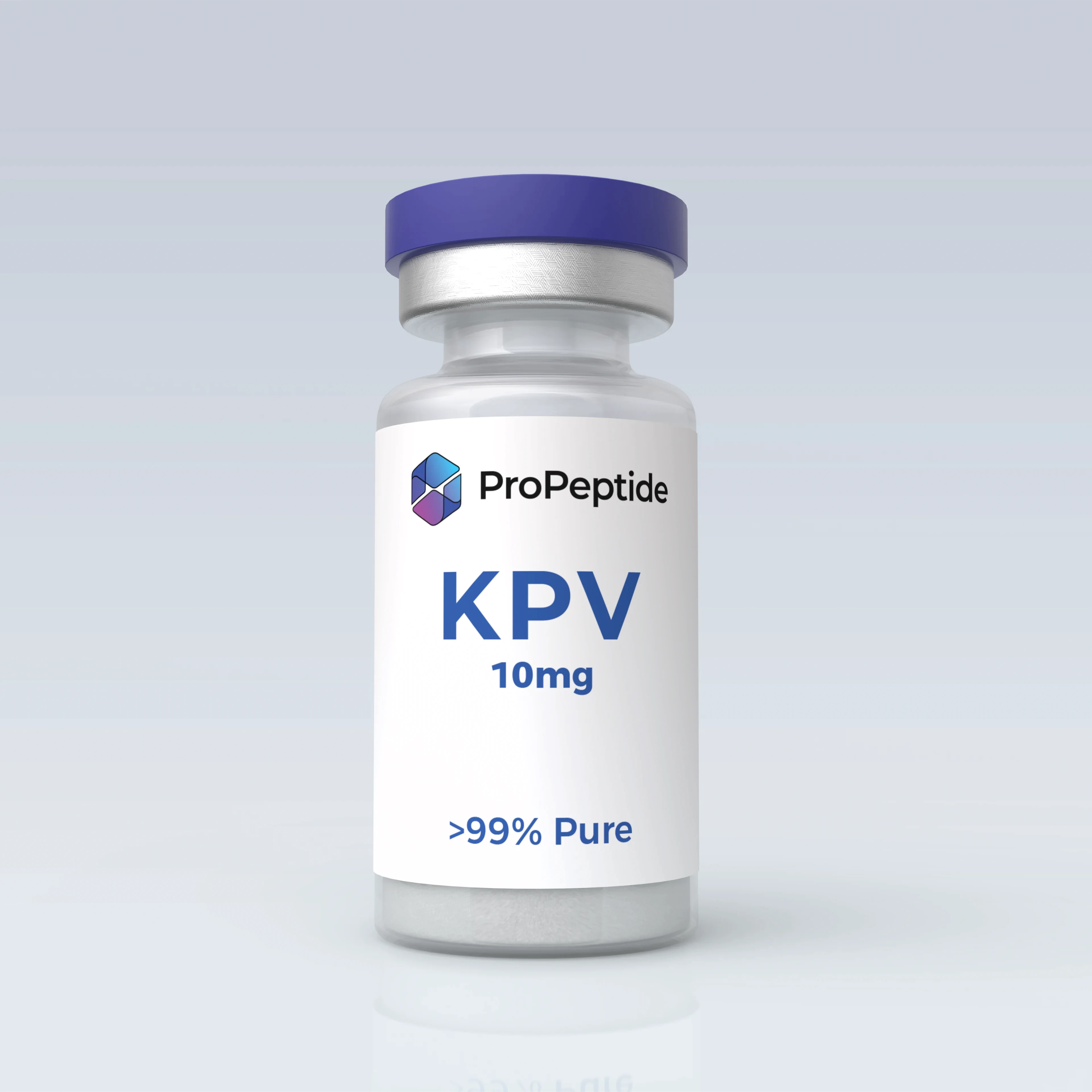
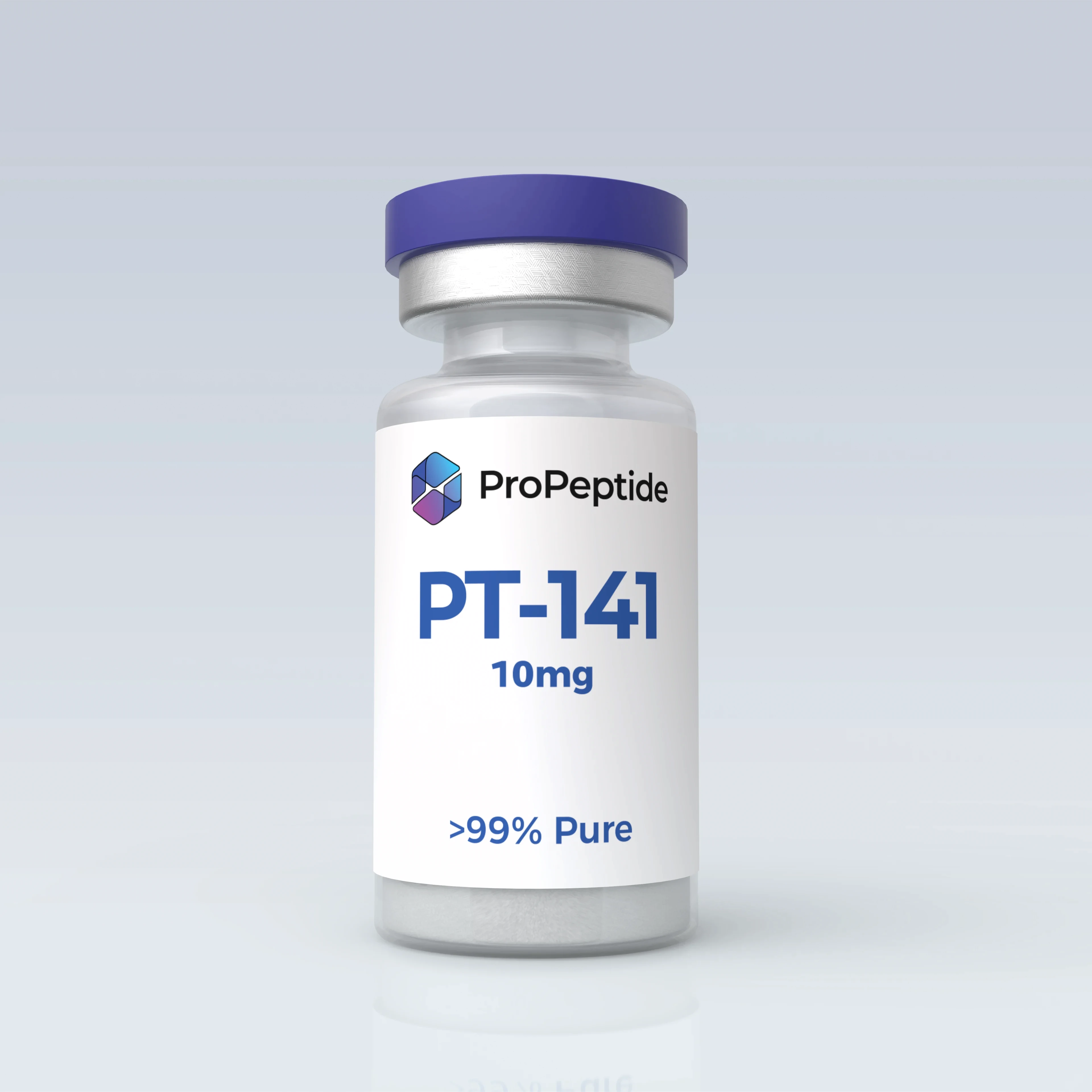
The ProPeptide KPV 10mg vial holds freeze-dried Lys-Pro-Val, the three-residue tail of alpha-MSH. Remy Research ships it from Dubai, made to a ≥99% HPLC line standard, for cell and animal-model inflammation work. For research use only. Not for human or veterinary use.
- ≥99% Purity
- ProPeptide Brand Standard
- Same-Day Delivery
- Dubai
- Lyophilized Vial
- Research Format
- Cold-Chain Shipped
- +2 to +8°C
- 1x ProPeptide research vial (lyophilized powder)
- Cold-chain insulated packaging
ProPeptide Lyophilized Vial Research Format
SpecsKPV 10mg Vial
Studied for anti-inflammatory effects
AED 300 / vial
Choose your bundle
Minimum order is AED 400
25% off orders of AED 700+ with code KV25 at checkout
Order before 4 PM for same-day Dubai delivery.
UAE delivery: AED 50 below AED 1,000; free from AED 1,000
Specified ≥99% ProPeptide Brand Standard
- Sold by
- Remy Research
- Brand
- ProPeptide
- Manufacturer
- ProPeptide
- Tested by
- Line standard — no independent report
Ships from Dubai
What KPV is
KPV is a synthetic tripeptide: lysine, proline and valine, written Lys-Pro-Val. Those three residues are positions 11 to 13 of alpha-melanocyte-stimulating hormone (alpha-MSH), the 13-residue melanocortin hormone made from proopiomelanocortin. In other words, KPV is the very end of a much longer signalling peptide, made on its own.
The reason researchers bother with such a small piece is a practical one. Alpha-MSH shows broad anti-inflammatory activity in preclinical work, but it also drives pigment signalling, which muddies any experiment that only cares about inflammation. Reviews of the field describe KPV as keeping part of that anti-inflammatory behaviour while dropping the pigmentary action. That makes it a convenient tool compound for inflammation biology.
It is important to be clear about the evidence. Nearly all of it comes from cultured cells and mouse colitis models, with some skin-cell work. No KPV-specific Phase 2 or Phase 3 trial was found on clinicaltrials.gov when our research team last checked, and KPV is not an approved medicine anywhere. Nothing on this page describes an effect in people.
What Remy Research sells here is the dry ProPeptide powder in a crimp-sealed vial, intended for the laboratory alone. For research use only. Not for human or veterinary use.
The vial format and what is documented
Before you order research material, it helps to know exactly what arrives and what paperwork exists for it.
Freeze-dried powder in sealed glass
Each vial contains 10mg of lyophilised KPV under a crimp cap. A short peptide kept dry and cold is far more stable in storage than one held in solution, which is why the sealed powder vial remains the usual format for this kind of material.
A line standard, not a batch report
ProPeptide manufactures its KPV line against a ≥99% HPLC purity specification. A third-party certificate for an individual batch of this vial has not been released yet, and we do not suggest otherwise. To see which products do have one, browse our lab results library.
Reading a certificate when one exists
An HPLC trace shows purity, while a mass-spec result is what proves identity. For KPV the free-base mass is small, about 342.4 g/mol, so a salt form such as acetate will read noticeably heavier. For a line-by-line walkthrough of a certificate, see our COA and HPLC purity guide.
Kept at 2–8°C on the way to you
Insulated cold-chain packing holds the parcel at 2–8°C in transit. Inside Dubai, anything ordered before the 4 PM cut-off is delivered that day, usually within about 4 hours. Terms for the other emirates are on the delivery page.
Technical Specifications
| Manufacturer | ProPeptide |
|---|---|
| Compound | KPV (Lysine-Proline-Valine) |
| CAS Number | 67727-97-3 |
| Quantity | 10mg per vial |
| Format | Lyophilized powder, sealed glass vial |
| Purity | Specified ≥99% |
| Molecular Weight | 342.4 Da |
| Sequence | L-Lysyl-L-Prolyl-L-Valine (α-MSH C-terminal fragment) |
| Storage | +2 to +8°C lyophilized. |
What the research reports about how KPV acts
The mechanism of KPV is not settled. The published picture involves more than one pathway, and almost all of it comes from cell and rodent experiments, so read the points below as working hypotheses rather than established biology in people.
Inflammatory signalling inside the cell
The most cited paper, Dalmasso and colleagues in *Gastroenterology* (2008), reported that nanomolar KPV damped NF-κB reporter activity and MAP-kinase signalling in human intestinal epithelial cell lines and in Jurkat T cells challenged with inflammatory cytokines, with lower cytokine output downstream.
Entry through the PepT1 transporter
The same group showed that KPV is carried into intestinal and immune cells by PepT1, a proton-coupled transporter for di- and tripeptides. PepT1 is scarce in healthy colon but rises in chronically inflamed colon, which the authors put forward as a reason KPV might concentrate where inflammation is active. That idea still needs testing.
Mouse colitis models
In mice with chemically induced (DSS and TNBS) colitis, KPV-treated animals showed lower disease activity scores, less tissue inflammation and reduced cytokine mRNA. A second 2008 study, by Kannengiesser and colleagues, saw earlier recovery in DSS colitis and similar results in a T-cell transfer colitis model. A 2026 paper described a colon-targeted prodrug version, proKPV, that built up in inflamed mouse colon at several times the level of free KPV.
A role beyond MC1R
Kannengiesser's group repeated the DSS work in mice lacking a working melanocortin-1 receptor, and KPV still protected them. The authors concluded the effect is at least partly independent of MC1R, which fits the intracellular signalling picture above.
Skin-cell work
A 2025 keratinocyte study reported that Lys-Pro-Val reduced oxidative stress, cell death and inflammatory signalling triggered by fine-dust exposure. This is cell-culture evidence only.
Our KPV research review covers these papers and the gaps between them in more depth.
For research purposes only. Not for human consumption.
Frequently Asked Questions
Where can I buy KPV in Dubai?
You can order it from Remy Research, which ships this ProPeptide KPV 10mg vial from Dubai as research-use-only material. Within Dubai, a 4 PM cut-off applies for same-day arrival, and most of those orders land within 4 hours. Across the other emirates, order by 12 PM (noon) to receive it the next day; anything ordered after 12 PM takes up to two days. Outside Dubai there is no Sunday delivery, so Saturday orders reach you on Monday. All parcels are packed for the cold chain at 2–8°C. Delivery charges are set out on the delivery page.
What is KPV?
KPV is the synthetic tripeptide Lys-Pro-Val, matching residues 11 to 13 at the C-terminal end of alpha-MSH. It is studied as a small anti-inflammatory tool compound in cell, colitis and skin-cell models. No country has approved it as a medicine.
Has KPV been tested in humans?
Not in completed clinical trials. The human-derived evidence is limited to experiments on human cell lines and, for a related KPV dimer, isolated immune cells outside the body. No KPV-specific Phase 2 or 3 registration was found on clinicaltrials.gov, so the mouse results tell us nothing yet about effects in people.
What are the molecular formula and CAS number of KPV?
PubChem lists the free base (CID 125672) as C16H30N4O4, molecular weight 342.43 g/mol, CAS 67727-97-3. Acetate and other salt forms weigh slightly more.
Has an independent lab tested this vial?
Not yet. The KPV line is produced against a ≥99% HPLC specification, but no third-party report for a specific KPV vial batch has been released. Reports that do exist are collected in the lab results library.
How does KPV differ from BPC-157 and GHK-Cu?
They come from different families. KPV is a melanocortin fragment studied for NF-κB and PepT1 biology in colitis and skin-cell models; BPC-157 is a 15-residue gastric peptide studied in rodent repair models; GHK-Cu is a copper-binding tripeptide studied in dermal-matrix work. They are not interchangeable, as our three-way comparison explains.
How should the vial be stored?
Put the unopened, freeze-dried vial in a fridge (2–8°C) as soon as the parcel arrives, and keep it shielded from light.
Is this vial for use in people or animals?
No. Remy Research sells it strictly as a laboratory reagent for in-vitro and animal-model studies. For research use only. Not for human or veterinary use.