What the research shows
- 11 of 12 reported knee pain improvement
- Studied for tendon healing
- Studied for stomach ulcer healing
Published study results for the compound, not results from this product. For research use only.
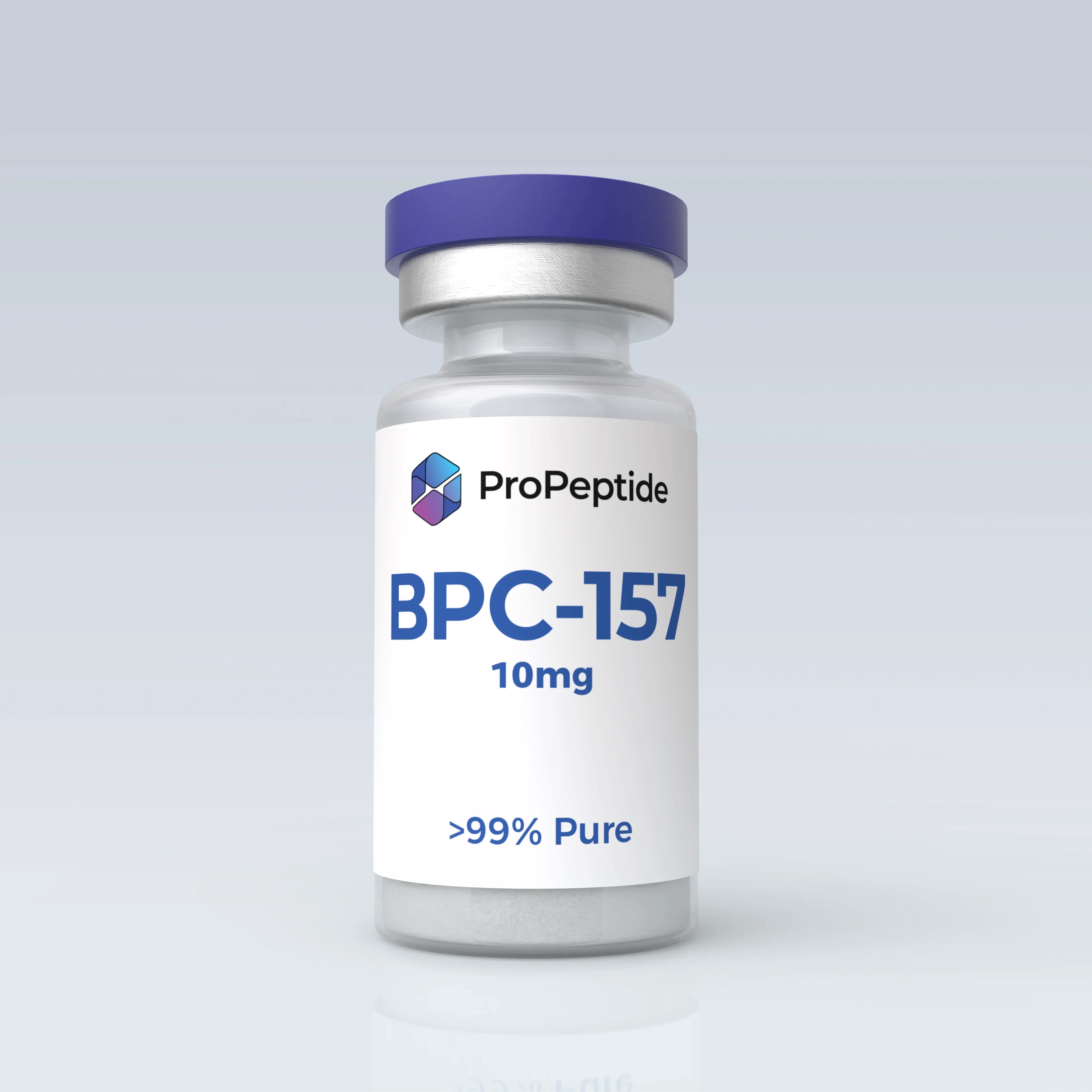
The ProPeptide BPC-157 10mg vial is a sealed, freeze-dried research peptide: the 15-residue BPC-157 sequence, supplied by Remy Research in Dubai to a ≥99% HPLC line standard for laboratory and animal-model work. For research use only. Not for human or veterinary use.
- ≥99% Purity
- ProPeptide Brand Standard
- Same-Day Delivery
- Dubai
- Lyophilized Vial
- Research Format
- Storage Guidance
- Follow Package Label
- 1x ProPeptide research vial (lyophilized powder)
- Cold-chain insulated packaging
ProPeptide Lyophilized Vial Research Format
SpecsBPC-157 10mg Vial
Studied for muscle, ligament and bone repair
AED 220 / vial
Choose your bundle
Minimum order is AED 400
25% off orders of AED 700+ with code KV25 at checkout
Order before 4 PM for same-day Dubai delivery.
UAE delivery: AED 50 below AED 1,000; free from AED 1,000
Specified ≥99% ProPeptide Brand Standard
- Sold by
- Remy Research
- Brand
- ProPeptide
- Manufacturer
- ProPeptide
- Tested by
- Line standard — no independent report
Ships from Dubai
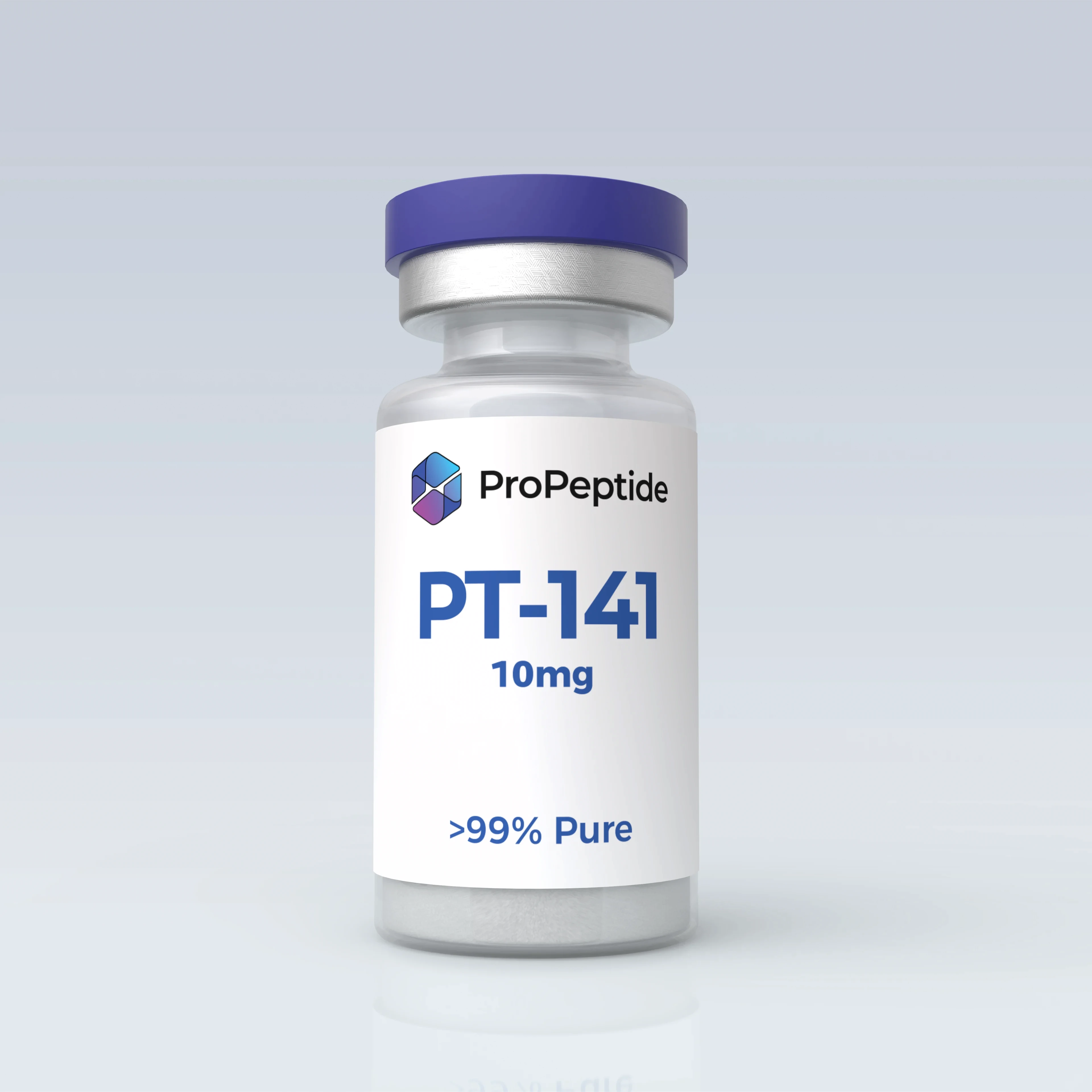
What BPC-157 is
BPC-157 is a synthetic peptide of 15 amino acids. Its sequence was first described in 1993 by a group in Zagreb as part of a larger protein they had isolated from human gastric juice, and they called the parent material "Body Protection Compound" because of how it behaved in stomach-injury experiments. Most of the literature since then still comes from that group.
Researchers are interested in it for two reasons. It holds up unusually well in gastric juice, which is rare for a short peptide, and in rodent studies it has shown effects across several unrelated injury models: tendon, ligament, gut lining and blood vessels. That breadth makes it a useful tool compound for lab work. It does not make it a medicine.
The evidence is mostly cell and animal work. A 2025 systematic review of BPC-157 in orthopaedic sports medicine found 36 studies, and 35 of them were preclinical. The human record is five small studies: two placebo-controlled enema studies from 2002–2005 reported only as conference abstracts, and three uncontrolled pilot reports. No controlled trial showing efficacy has been published. BPC-157 is not an approved medicine in any country.
Remy Research supplies this ProPeptide vial as freeze-dried powder in a sealed glass vial. It is sold strictly as laboratory material. For research use only. Not for human or veterinary use.
Why this vial: what you get and what is documented
A research vial is only as useful as what you can check about it. Here is what this listing offers, and where its documentation currently stands.
A sealed, freeze-dried format.
Each vial holds 10mg of lyophilised BPC-157 powder under a crimped seal. Freeze-dried peptide is far more stable in storage than peptide in solution, which is why it remains the standard format for research material.
Purity standard, stated plainly.
The ProPeptide BPC-157 line is made to a ≥99% HPLC purity standard. A batch-specific independent report for this vial has not been published yet, and we do not imply otherwise. Every report we have published is listed in our lab results library, so you can see exactly which products are covered.
Know what to ask of any certificate.
HPLC tells you how clean a sample is; mass spectrometry confirms the molecule is BPC-157 (about 1419.5 for the free base). A useful certificate also names the lab, the date, the salt form and a batch number that matches the vial. Our COA and HPLC purity guide walks through each line.
Cold-chain delivery across the UAE.
Every order travels in cold-chain packaging that holds the vial between 2 and 8°C. Dubai orders placed before 4 PM are delivered the same day, and most arrive within 4 hours. Full terms are on the delivery page.
Related material for comparative studies.
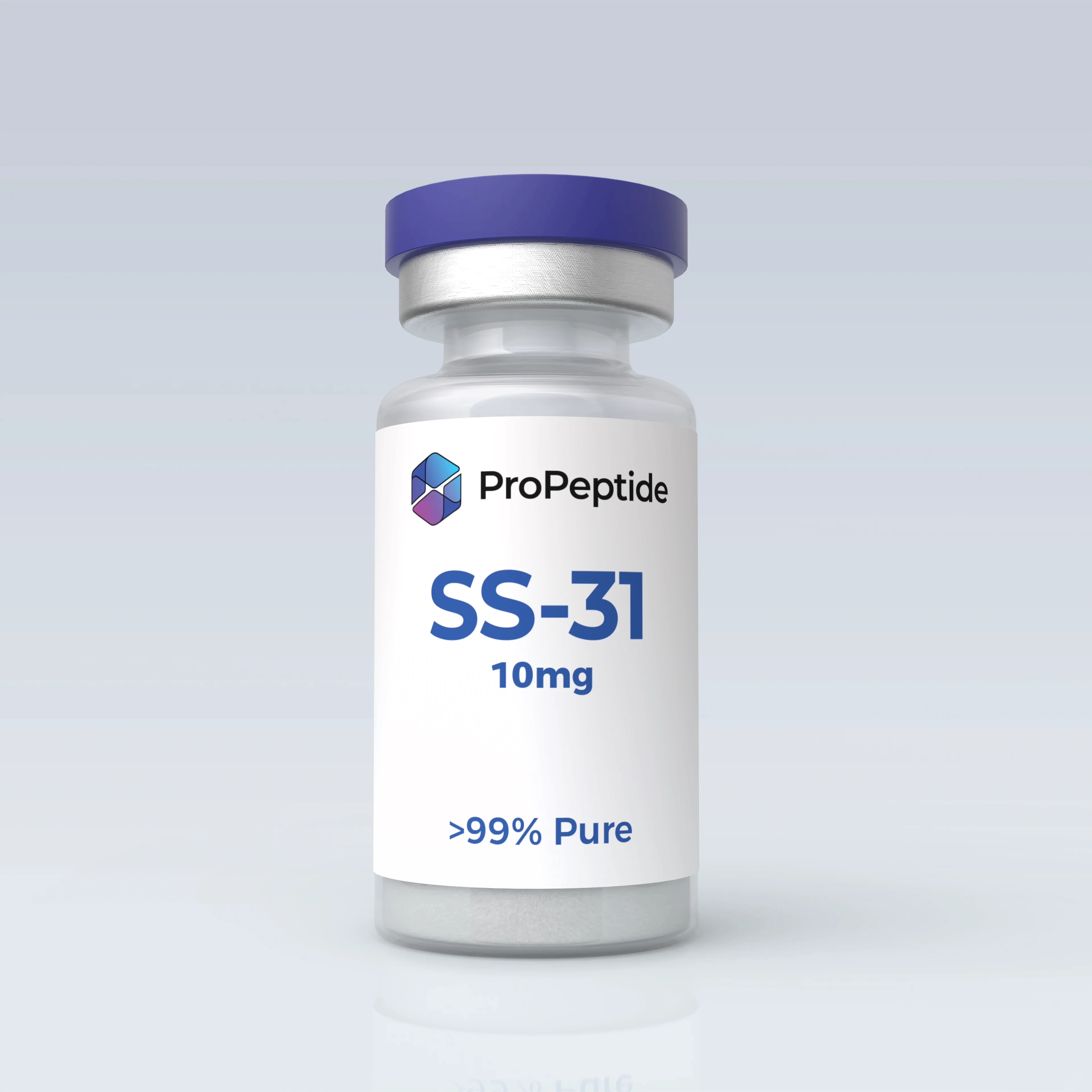
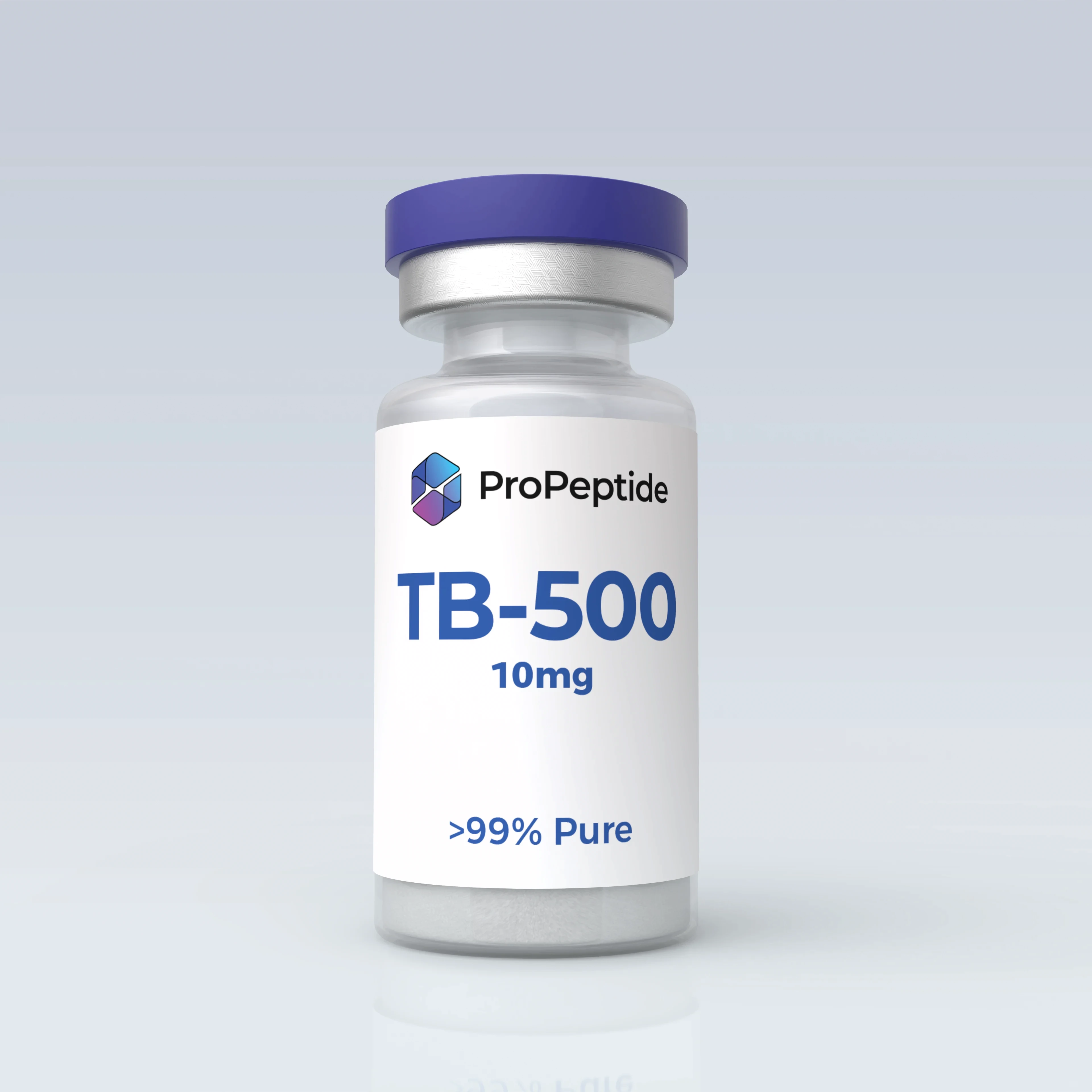
For work that needs a second repair-model peptide, we also carry the TB-500 10mg vial and a fixed-ratio BPC-157 + TB-500 blend vial.
Technical Specifications
| Manufacturer | ProPeptide |
|---|---|
| Compound | BPC-157 (Body Protection Compound 157) |
| CAS Number | 137525-51-0 |
| Quantity | 10mg per vial |
| Format | Lyophilized powder, sealed glass vial |
| Purity | Specified ≥99% |
| Molecular Weight | 1,419.5 Da |
| Sequence | Gly-Glu-Pro-Pro-Pro-Gly-Lys-Pro-Ala-Asp-Asp-Ala-Gly-Leu-Val (15 amino acids) |
| Half-life | Short (minutes in plasma); local tissue effects reported to outlast plasma presence |
| Storage | +2 to +8°C lyophilized. |
| Shelf Life | 24 months from manufacture, lyophilized and sealed |
What the research suggests about how BPC-157 acts
No single receptor for BPC-157 has been identified. The mechanism proposed in the literature involves several pathways at once and is only partly worked out. Almost all of it comes from rodent and cell studies, so these are hypotheses for further research, not established effects in people.
Blood-vessel growth (VEGFR2)
In endothelial cell work published in 2017, BPC-157 increased and activated VEGFR2, a receptor that drives new capillary growth, and rodent ischaemia models showed faster return of blood flow. This is the leading explanation offered for the repair signals seen in other models.
The nitric oxide system
Rodent studies from the Zagreb group report that BPC-157 offsets experimentally induced disturbances of nitric oxide signalling, a system that governs vessel tone and local blood flow. The effect fails to appear when nitric oxide synthesis is fully blocked, which suggests the pathway is part of the mechanism.
Tendon cells and migration
A 2003 rat study found faster healing of a cut Achilles tendon in treated animals, and 2011 cell work linked BPC-157 to better tendon-fibroblast survival and migration through focal adhesion kinase and paxillin signalling.
Gut-lining models
The compound's name comes from early rodent experiments in which it reduced lesions caused by alcohol and other irritants in the stomach and duodenum. These remain the founding observations of the field.
Nervous-system models
A smaller group of rodent papers describes interactions with dopamine and serotonin signalling. This strand has seen less independent replication than the vascular and gut work, so it deserves extra caution.
BPC-157 and TB-500 compared
BPC-157 and TB-500 are often mentioned together, but they act on different biology. BPC-157 sits in the vascular and growth-factor lane; TB-500, a short synthetic fragment of thymosin beta-4, sits in the actin and cell-migration lane. That makes them complementary research tools rather than substitutes.
| BPC-157 | TB-500 | |
|---|---|---|
| What it is | 15-residue peptide based on a gastric-juice protein | Synthetic fragment of thymosin beta-4, a 43-residue actin-binding protein |
| Main research lane | Nitric oxide, VEGFR2 angiogenesis, focal adhesion signalling | G-actin binding, cell migration, AcSDKP fragment biology |
| Typical models | Tendon, ligament, gut-lining and vascular injury | Cardiac, corneal, skin-wound and tendon models |
| Human evidence | Five small studies: two abstract-only, three uncontrolled pilots | Ophthalmic trials used full-length thymosin beta-4, not the fragment |
| Format here | 10mg freeze-dried vial | 10mg freeze-dried vial |
If your study needs an angiogenesis or nitric oxide endpoint, BPC-157 is the relevant compound; if it needs an actin or migration endpoint, TB-500 is. Our article BPC-157 vs TB-500 sets out the comparison in full, and the blend vial combines both in one sealed vial.
For research purposes only. Not for human consumption.
Frequently Asked Questions
Where can I buy BPC-157 in Dubai?
Remy Research supplies this ProPeptide BPC-157 10mg vial from Dubai as research-use-only material. Dubai orders placed before 4 PM are delivered the same day, with most arriving within 4 hours. For the other six emirates, orders placed by 12 PM (noon) arrive the next day, and later orders arrive within two days. Saturday orders outside Dubai arrive on Monday, and there is no Sunday delivery outside Dubai. All shipments use cold-chain packaging at 2–8°C. See the delivery page for charges.
What is BPC-157?
A synthetic 15-amino-acid peptide (Gly-Glu-Pro-Pro-Pro-Gly-Lys-Pro-Ala-Asp-Asp-Ala-Gly-Leu-Val) based on part of a protein first described in human gastric juice in 1993. It is studied in cell and animal models of tissue repair. It is not an approved medicine anywhere.
Has BPC-157 been studied in humans?
Only in a very limited way: five small studies, two placebo-controlled enema studies reported only as conference abstracts and three uncontrolled pilot reports. No controlled efficacy trial has been completed, so the animal findings should not be read as evidence of any effect in people. Our BPC-157 research review covers the preclinical work.
Is there a certificate of analysis for this vial?
The line is made to a ≥99% HPLC purity standard, but a batch-specific independent report for the BPC-157 vial has not been published yet. Every report we do publish is in the lab results library, and the Janoshik verification guide shows how to check one.
How does BPC-157 differ from TB-500?
BPC-157 is studied mainly for nitric oxide and VEGFR2-linked blood-vessel signalling; TB-500 is a thymosin beta-4 fragment studied for actin binding and cell migration. They are complementary research tools, compared in detail in BPC-157 vs TB-500.
How should the vial be stored?
Keep the sealed, freeze-dried vial in a refrigerator at 2–8°C, protected from light, and move it there as soon as the delivery arrives. It ships in cold-chain packaging within the same range.
Can this product be used by people or animals?
No. It is supplied only as laboratory material for in-vitro and animal-model research. For research use only. Not for human or veterinary use.